5 Mistakes First-Time Private Property Buyers Make in Singapore
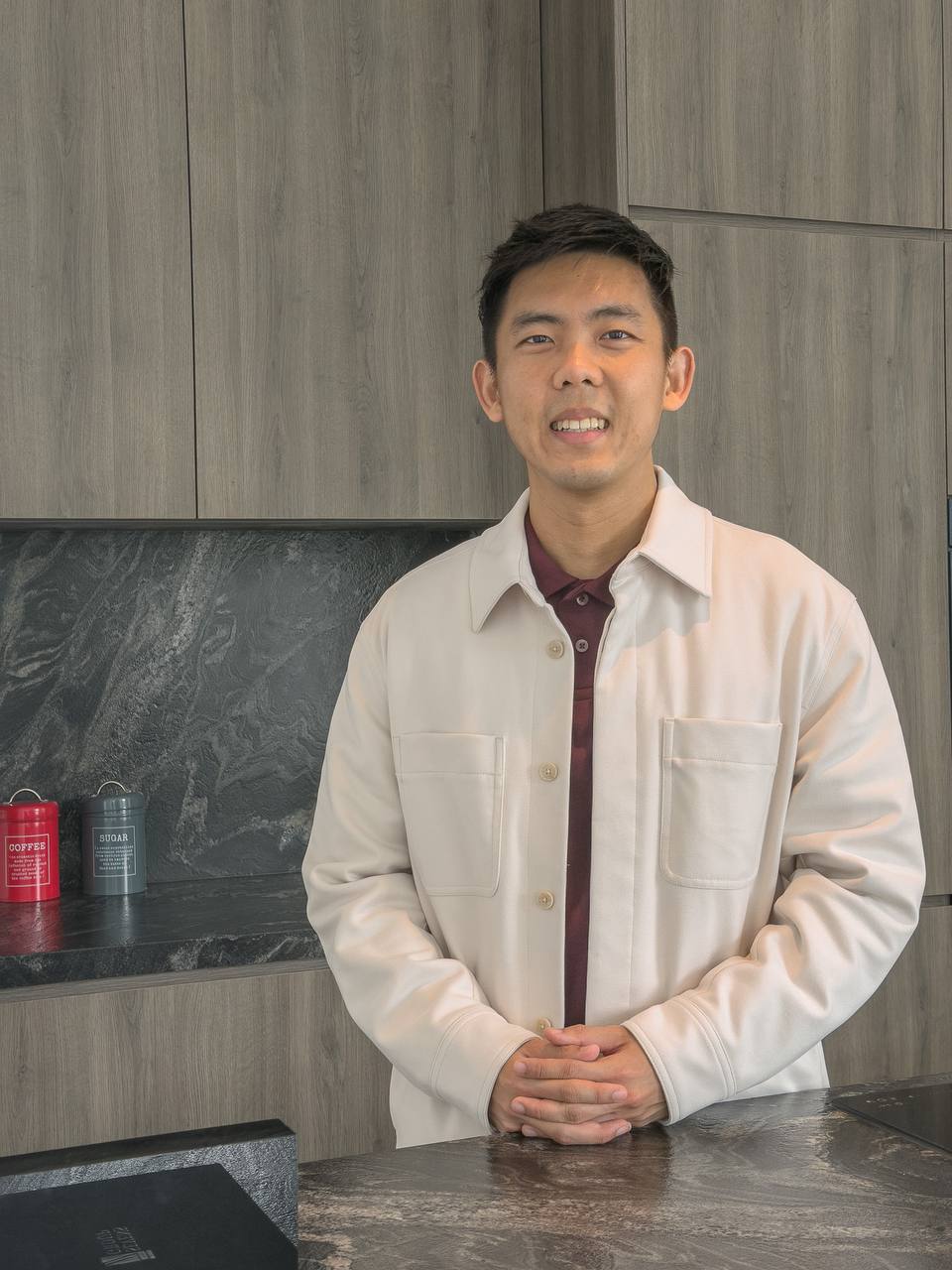 Delvin Goh
Disclaimer: This article is for general educational purposes only and does not constitute financial, legal, or professional advice. The information presented is based on publicly available data and may not reflect the most current regulations, rates, or policies. Every individual’s financial situation is unique. You should consult a qualified financial advisor, mortgage banker, or legal professional before making any property purchase or financing decisions. The author and this website accept no liability for any loss or damage arising from reliance on the information provided.
TL;DR: First-time private property buyers in Singapore commonly make six costly mistakes: failing to check their TDSR eligibility, ignoring cooling measures like ABSD, skipping due diligence on the property and developer, underestimating total purchase costs, rushing into a decision under pressure, and not planning the HDB disposal timeline. Avoiding these pitfalls can save you hundreds of thousands of dollars.
Introduction
Buying your first private property in Singapore is one of the most significant financial decisions you will ever make. For many Singaporeans, it represents the culmination of years of saving and planning, an upgrade from HDB living to private residential ownership.
Yet as a property agent, I have seen the same mistakes repeated by first-time buyers. These are not small oversights. They can cost you tens or even hundreds of thousands of dollars, and in some cases, they can derail the entire purchase.
Here are the five most common mistakes and how to avoid them.
Mistake 1: Not Checking Your TDSR Before Viewing Properties
The Total Debt Servicing Ratio (TDSR) framework is the single most important factor determining how much you can borrow. Under current regulations, your total monthly debt obligations, including the new mortgage, cannot exceed 55% of your gross monthly income.
Why This Matters
I have seen buyers fall in love with a property, only to discover during the loan application that they cannot secure the financing they assumed they would get. The disappointment is real, and the option fee (typically 1% of the purchase price) may be at risk.
How to Avoid It
Before you even start viewing properties, get an In-Principle Approval (IPA) from your bank. This involves a formal assessment of your income, existing debts, and borrowing capacity. The IPA will tell you the exact loan quantum you qualify for, allowing you to search within a realistic budget.
Pro tip: Remember that the bank stress-tests your mortgage at a 4.0% interest rate (regardless of your actual rate) when calculating TDSR. Car loans, personal loans, and credit card minimum payments all count towards your 55% threshold.
Mistake 2: Ignoring Cooling Measures (Especially ABSD)
Singapore’s property cooling measures are extensive, and the Additional Buyer’s Stamp Duty (ABSD) is the one that catches the most first-time buyers off guard, particularly those upgrading from an HDB flat.
The HDB Upgrader Trap
If you are a Singapore Citizen buying your first private property while still owning your HDB flat, you will be classified as a second-property buyer and must pay 20% ABSD upfront. On a $2 million condo, that is $400,000 in additional cash.
Married couples (at least one SC) who purchase jointly can apply for ABSD remission by selling their existing property within 6 months. However, the ABSD must be paid upfront in cash. The remission is a refund that comes after the sale is completed.
How to Avoid It
Plan your property transition carefully. Many upgraders choose to sell their HDB first, then rent temporarily while searching for a private property. This approach eliminates the ABSD liability entirely and gives you full visibility of your sales proceeds for budgeting.
Alternatively, if you can afford the upfront ABSD, ensure you have a realistic plan to sell your HDB within the six-month window. Speak with your agent about current market conditions and expected sale timelines for your HDB flat type and location.
Mistake 3: Skipping Due Diligence on the Property
In a competitive market, the pressure to make quick decisions can lead buyers to skip essential due diligence. This is a mistake that can haunt you for years.
What to Check
For resale properties:
- Remaining lease tenure (for 99-year leasehold). A unit with 60 years remaining is very different from one with 90 years
- Maintenance fees and sinking fund status. Request the latest management accounts from the MCST
- Any outstanding special levies or upcoming major repairs
- Actual unit condition. Visit during different times of day to check noise, sunlight, and traffic
- Transaction history on URA’s REALIS system. Compare against recent comparable sales
For new launches:
- Developer’s track record. Have they delivered quality projects on time?
- Expected TOP (Temporary Occupation Permit) date and any delay history
- Actual unit facing and floor plan. Show flat units can be misleading
- Payment schedule and penalty clauses
How to Avoid It
Never make a decision based on a single viewing. Visit the property at least twice, at different times of day. Request all relevant documents. Engage a conveyancing lawyer early to review the sale and purchase agreement before you exercise the Option to Purchase.
Mistake 4: Underestimating the Total Cost of Purchase
First-time buyers often focus on the purchase price and monthly mortgage payment while underestimating the full financial commitment.
Hidden Costs That Add Up
- Buyer’s Stamp Duty: $69,600 on a $2 million property (must be paid in cash first, then reimbursed from CPF later)
- Legal fees: $3,000 to $4,000
- Renovation: $50,000 to $150,000 for a resale unit; $30,000 to $80,000 for a new unit
- Furniture and appliances: $20,000 to $50,000
- Moving costs: $1,000 to $3,000
- Monthly maintenance fees: $400 to $1,200 per month (ongoing)
- Property tax: Varies based on Annual Value; typically $2,000 to $6,000 per year for owner-occupied
How to Avoid It
Create a comprehensive budget spreadsheet that captures every cost, not just the purchase price. I provide all my clients with a detailed cost breakdown before they commit to any purchase, ensuring there are no surprises. That breakdown is part of a property consultation, alongside affordability, TDSR, and CPF usage.
Mistake 5: Rushing the Decision Under Pressure
The fear of missing out (FOMO) is a powerful driver in Singapore’s property market. Agents, developers, and even well-meaning friends can create a sense of urgency that pushes buyers to act before they are ready.
Common Pressure Tactics
- “This is the last unit at this price” (new launch sales pressure)
- “There are two other offers on this unit” (resale competition)
- “Prices are going up next month” (market timing pressure)
- “This is a once-in-a-lifetime opportunity” (artificial scarcity)
How to Avoid It
Remember that Singapore’s property market is deep and liquid. There will always be another property. The cost of buying the wrong property is far greater than the cost of missing one opportunity.
Set clear criteria before you start your search: budget, location, size, tenure, and timeline. Evaluate every property against these criteria objectively. If a property does not meet your requirements, walk away, regardless of the pressure.
My rule of thumb: If you feel rushed, that is a signal to slow down. Good properties do sell quickly, but a well-prepared buyer with financing in place can act decisively without acting rashly.
Mistake 6: Not Planning the HDB Disposal Timeline
This mistake is specific to HDB upgraders, and it is one of the most financially consequential errors I see.
The ABSD Trap
If you purchase a private property while still owning your HDB flat, you are treated as a second-property owner, and 20% ABSD applies. For a $3 million condo, that is $600,000 in cash upfront. Married couples (at least one SC) who purchase jointly can apply for ABSD remission by selling their existing property within 6 months of the purchase date (or TOP date for uncompleted properties).
Why Timing Goes Wrong
Many buyers assume six months is plenty of time to sell their HDB. In most cases, it is, but complications can arise:
- HDB resale market slowdowns: If demand softens in your area, finding a buyer at your expected price may take longer
- Buyer financing delays: Your HDB buyer’s loan approval or CPF application may be delayed, pushing the completion date past your 6-month window
- Renovation handover: If your HDB buyer needs a longer completion period to arrange renovation for their current home, the timeline stretches
- Legal complications: Title issues, caveats, or CPF-related delays can slow the transaction
If you miss the 6-month window, the ABSD is forfeited. That is $600,000 that will not be refunded.
How to Avoid It
- Consider selling your HDB first. This is the safest approach. Sell, rent temporarily, then buy. You avoid ABSD entirely and have full visibility of your available funds.
- If buying first, start marketing your HDB early. List your HDB for sale before or immediately after exercising the OTP on your private property. Do not wait until after completion.
- Price your HDB realistically. This is not the time to test the market with an ambitious asking price. Price competitively to ensure a quick sale within the 6-month window.
- Work with an experienced agent. An agent who understands the HDB-to-private transition can help you sequence both transactions to minimise risk. I handle both the sale and the purchase so the timing lines up.
- Have a contingency plan. If the 6-month deadline is approaching and your HDB has not sold, be prepared to adjust your asking price to close the deal in time.
The Bottom Line
Buying your first private property should be exciting, not stressful. By avoiding these mistakes (checking your TDSR, accounting for cooling measures, conducting thorough due diligence, budgeting comprehensively, resisting pressure to rush, and planning your HDB disposal timeline), you will be in a far stronger position to make a confident, well-informed purchase.
Frequently Asked Questions
How long does the entire buying process take?
From the time you exercise the Option to Purchase to legal completion, a resale private property transaction typically takes 8 to 12 weeks. Including the property search and loan approval process, budget 3 to 6 months from start to finish.
Should I engage my own property agent as a buyer?
Yes, I strongly recommend it. A buyer’s agent represents your interests, helps you negotiate the best price, and guides you through the paperwork. In Singapore, the buyer does not pay agent commission. The seller pays commission to both the listing agent and the buyer’s agent through a cobroke arrangement. This means a buyer’s agent represents your interests at no cost to you. For new launches, the developer pays the commission similarly, so there is no cost to the buyer in either scenario.
What is the minimum income needed to buy a $2 million condo?
Assuming no other debts and a 75% LTV loan at a 4.0% stress-test rate over 25 years, you would need a gross monthly income of approximately $14,400 to meet the 55% TDSR threshold. If you have a car loan or other debts, the required income increases accordingly.
Can I back out after paying the option fee?
Yes, but you will forfeit the option fee (typically 1% of the purchase price, or $20,000 on a $2 million condo). Once you exercise the OTP and pay the exercise fee, backing out becomes significantly more costly and legally complex.
Planning your first private property purchase? Contact Delvin Goh for a no-obligation consultation. I will help you avoid these mistakes and find the right property for your needs.
Need Personalised Advice?
Every property situation is different. Book a free consultation to discuss your specific goals.
About Delvin Goh
Delvin is a licensed property agent based in Singapore, focusing on private residential property and helping busy professionals build their property portfolios. With a data-driven approach and an Economics degree from NUS, he guides clients through every stage of their property journey — from first purchase to portfolio growth. Delvin is known for his straightforward advice, deep market knowledge, and commitment to delivering results.
Book an Appointment →
Ready to Take the Next Step?
Whether you are buying, selling, or exploring your options, I offer a free consultation to help you make confident property decisions.
Book an Appointment